 ×
×
Pneumatic Ball Valves If you work in an industrial plant, you may be familiar with pneumatic ball valves. Valves like these are necessary to properly manage fluid or gas flow within pipelines. In the following post, we bring you into the realm of EQV-2PPF Electric Flange Ball Valve – to learn what they are, how they work and why they are advantageous for use in industrial applications.
A pneumatic ball valve is a type of valve that utilizes a ball with a hole centrally placed to control fluid flow. When the valve is closed, the ball is rotated with the hole perpendicular to the flow-path of the liquid or gas. On closing the valve, the ball is rotated to the position such that the hole is cross-special to the flow of the liquid or gas, not allowing passage of the liquid or gas.
There are many advantages to having a pneumatic ball valve in industrial applications. They do have the benefit of being both fast and easy to use. The valve is opened and closed by turning a lever or pushing a button, providing ease of use for quick flow control of fluids or gases.
Pneumatic ball valves also have the lasting capacity and are more reliable. Constructed of durable materials, like stainless steel and brass, these valves can support high pressure and temperature applications without the need for constant maintenance and replacements. This puts them in the best position to operate reliably and with a high degree of precision even in rough industrial conditions.
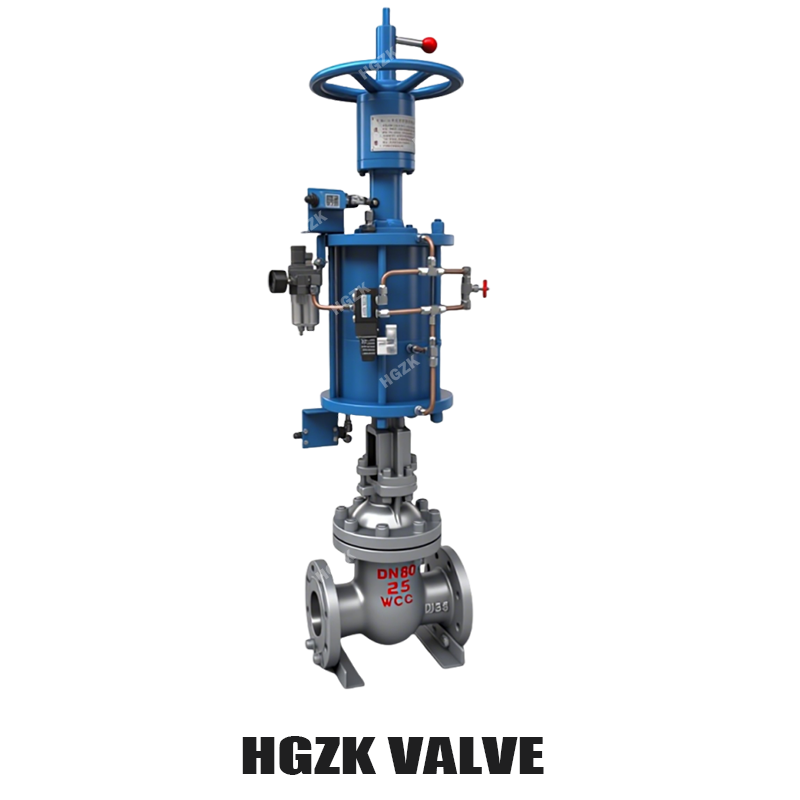
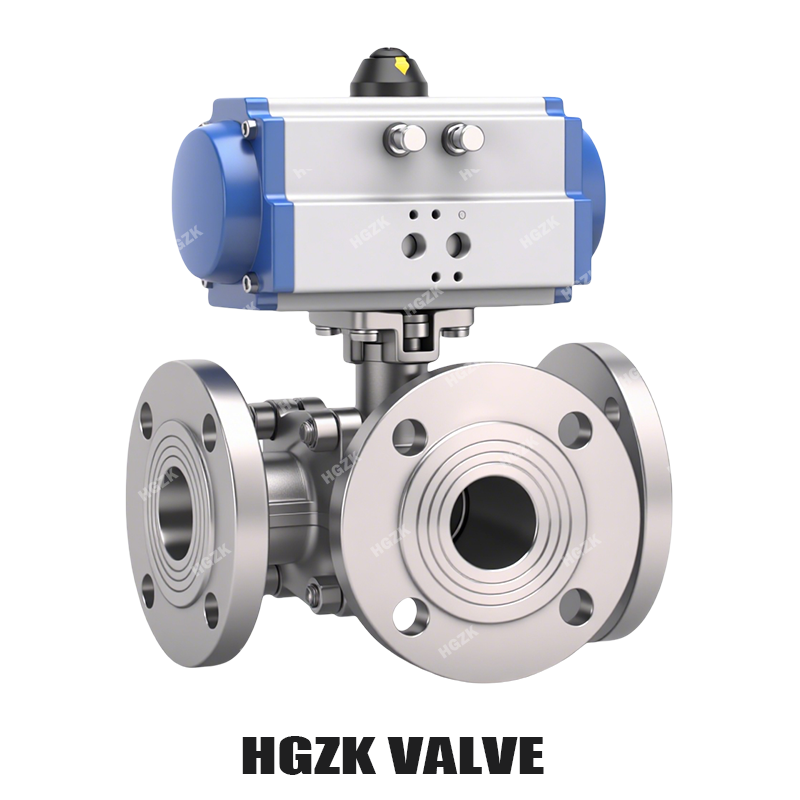
A pneumatic ball valve works on a principle that is simple but is effective in it’s design. A ball with a hole in the center is located in a valve body coupled to a pneumatic actuator. The actuator then turns the ball in response to a signal and allows or prevents the flow and sealing of the valve.
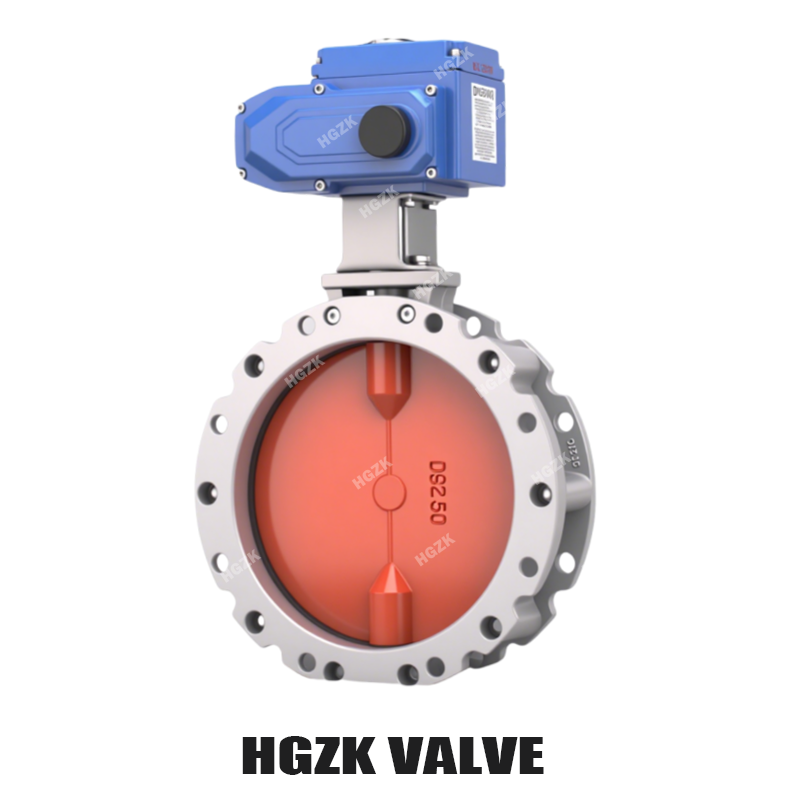
To maintain their quality, certain ball valves have position feedback switches and also an override control system that prevents the actuator from failure in the event of loss of air. The monitoring of the position of the ball is facilitated in that these added devices prevent a valve failure in case of a power failure.
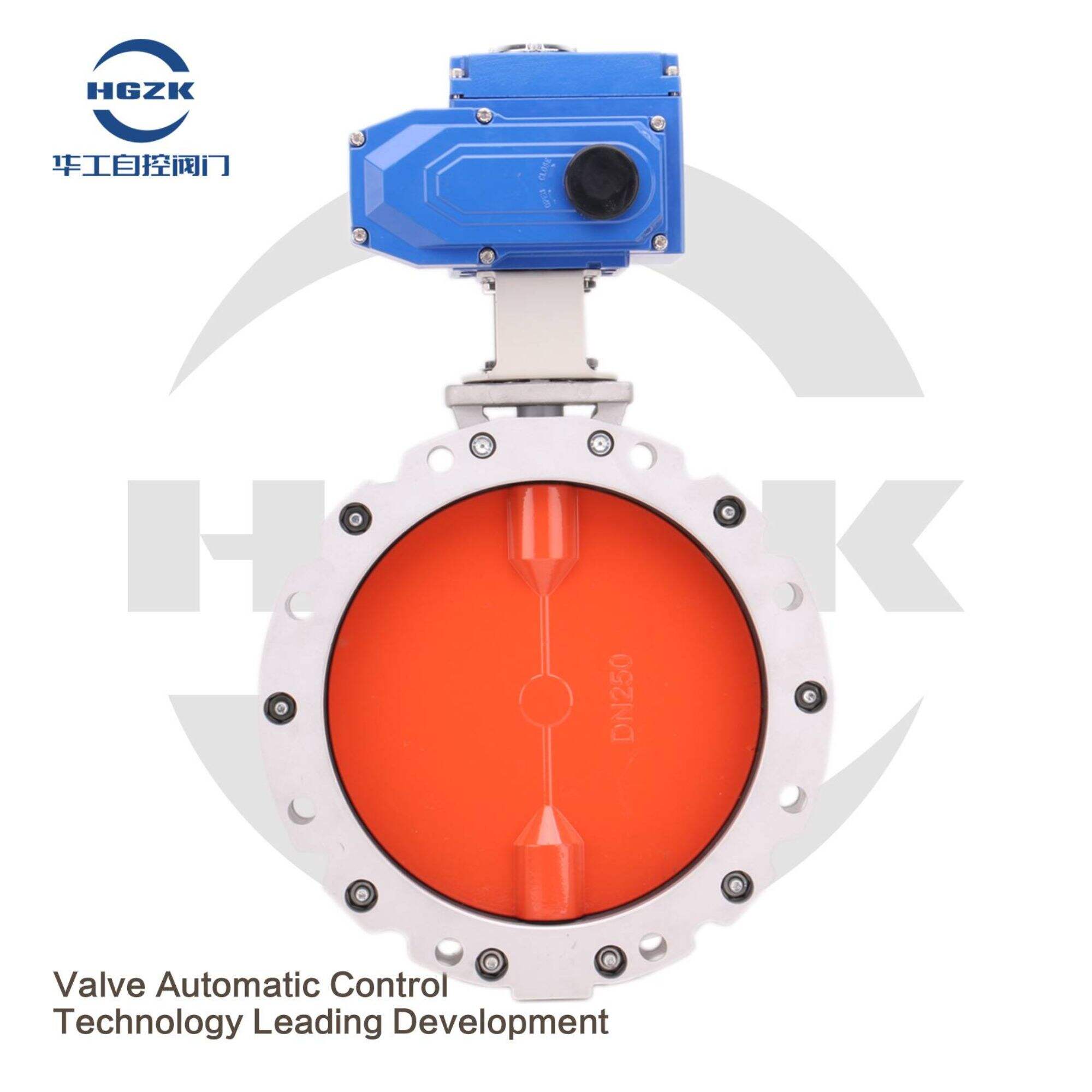
Ten For Tips Pneumatic Ball Valve Selection There are property concerns when looking for pneumatic ball valve for your system. You'll need the valve size,first, the flow rate of the liquid or gas in your system will help you determine the valve size. Make sure the valve you choose can accommodate the flow of liquid without creating blocks or back flowing.
Professional Manufacturer. specialists in AUTO-Control Valves use our vast knowledge, experience, advanced technology supply high-quality goods with competitive prices. Diverse products. We provide broad range of actuators and valves catering the needs different industries application meet varied requirements our clients. Customized Solutions. We offer flexible OEM/ODM options to meet your unique specifications branding and engineering. ensures seamless pneumatic ball valve of products your pipelines. team of experts has vast technical knowledge, providing professional support and consultation services to help customers comprehend and make use of our products properly.
We welcome you HGZK VALVE, a leading manufacturer Fluid Control solution. We a renowned producer distributor valves such as pneumatic and electric valves. offer our products globally to meet demands various industries. products of the company are designed by using a cutting-edge CAD 3D design system, which only has a stunning appearance, but also a reliable quality. The equipment uses a number of precision machining centers to pneumatic ball valve precision the parts and provide huge production capacities. Widely used in various types of regulating valves, ball valves, butterfly valves gate valves, slurry valves globe valves, plug valves and many more valves.
company committed to providing users system matching selection configuration price performance ratio solutions, using high-tech as guideline and fully exploiting the technological advantages. From conception to production packaging the products create modify meet customer needs. also offer scientific management service that is one-stop which allows us constantly to create high-quality items.We have a variety of pneumatic ball valve and actuators. valves are made of PVC, PP PVDF cast iron, stainless brass, cast steel and cast steel. Our valves can be operated manually or using electric, pneumatic, or hydraulic actuators.
Guidance and Support. team of experts is committed to offering guidance support. We're here to help you, whether in the selection products, technical specifications, problems to solve. respond quickly and resolutionWe offer quick and efficient assistance when issues occur. This includes timely responses to queries and pneumatic ball valve of customers on specifications products as well as technical assistance.