




Tools that help make things move and work are often powered by electric actuators or pneumatic actuators. They each go in their own way. In order to see how these work and what a good fit might be depending on the use case, let's dive into this in more detail.
Unlike pneumatic, electric actuators function similarly to an electric jack screw
An electric actuator is a device that moves things using electricity. Internally, they contain a motor that assists in converting mechanical energy from electricity to motion. It is moved when you press a button or flick a switch. Think of pushing a toy car and you see it zoom across the floor.
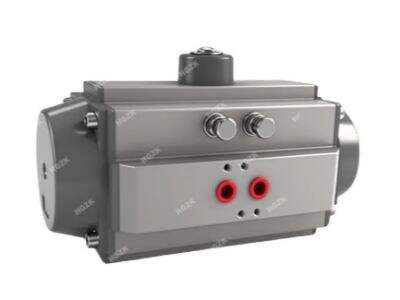
Pneumatic actuators on the other hand use air pressure to function. When air is pushed into the actuator, they have a special part called piston which moves back and forth. It's a little like an inflatable balloon: blow air in and then replayed it so It flies around the room.
Comparing Speed and Precision
All electric actuators are generally faster than pneumatic ones in terms of speed. Electricity can cause things to happen very quickly (like when switching on a fan and the blades start turning immediately). They are perfect for any job that requires a quick turnaround, which is why electric actuators leave little to no room in the programming area.
But pneumatic actuators are precise. This allows them to carry things with utmost precision and directly place where they are supposed. It is similar to blowing air at a tiny bug with a straw so that it can go in the direction you wish for it to go. The Huagong pneumatic actuator are ideal for tasks needing a light touch.
Electric vs Pneumatic Actuators in Economic Terms
On price, electric actuators are nearly always pricier than pneumatic models. They have more moving parts, and require power to function (older models on up). The pneumatic rotary actuator are less complex and require only air power — which can be more cost effective.
The initial cost will be high, but electric actuators may save you money in the long term by reducing your energy bills. They are engineering- wise effective and easier for controlling them on & off. This can quickly become expensive as pneumatic actuators continuously run on air.
Electric vs Pneumatic System Long-Term Reliability
They Outlast Pneumatic Actuators: Electric actuators have ample longevity over pneumatic actuators. Because the electric actuators contain fewer parts to wear out. Air systems for pneumatic are reliant on air pressure that may lead to leakage at times or more issues.
Which Actuator To Choose For Your Application
While selecting the actuator that would suit best with your application one must determine on what he/she wants to apply on it. If it required fast movement and efficiency was needed, probably best to go with an electric actuator For directing water (or anything else), a pneumatic actuator is a good option if you want something gentle and accurate.
In summary, electric actuators and pneumatic actuators complement each other. In that case, the one to use would depend on your particular need and budget. With Huagong, you have a choice of actuators to get the job done.

