




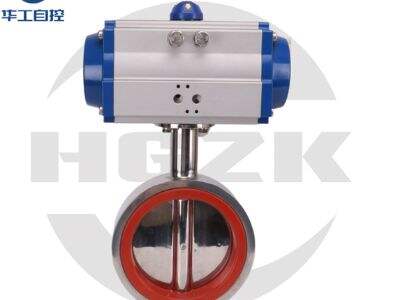
The Advancement of Industrial Automation with Pneumatic actuators
These are the muscles of machines, so to speak, and they help in driving an action through air pressure. They also assist them to walk and perform actions such as lifting objects or opening doors. When pneumatic actuators were first introduced, it automated an otherwise manual process of using our hands to operate machines which was slow and exhausting for workers. They have made it easier for machines to perform tasks at a far higher speed and accuracy. It has changed the way things are manufactured across factories and industries globally!
What makes pneumatic actuators different from conventional equipment in industries today.
pneumatic control valve are special, because they work in all environments. These can work in ultra hot or freezing cold areas and do not need much looking after. This makes it a suitable collaborative robot for industries that work 24×7. They are exact in their motions, which means that every little thing is performed perfectly. Pneumatic Actuators are a Mandatory Component of Present day Businesses because of their Excellent inherent Qualities
Cost-efficiency of Pneumatic Actuators
pneumatic rotary actuator are arguably the best, not because there is something great in terms of power or performance, but they are simply one of the least expensive. This makes them cheaper to buy and use in the factories and industries. They are also extremely energy-efficient, saving money on electricity. They aren't replaced as much because they are so dependable, which in turn saves you even more money over time. Pneumatic actuators help save several thousand dollars for businesses as well keeping up the quality.
Pneumatic Actuators Enhance Industrial Operations
Pneumatic actuators that are relevant in the context of industrial processes. They perform tasks rapidly and accurately, saving time and minimize errors. This translates to shorter cycle times with improved efficiencies and quality of production. pneumatic butterfly valve actuators allow companies to be more competitive in the market by optimizing industrial processes. They also help with security of the workers, by doing a work which a human cannot do or need an added precaution.

