 ×
×
Advantages of Pneumatic Actuators in HVAC Systems
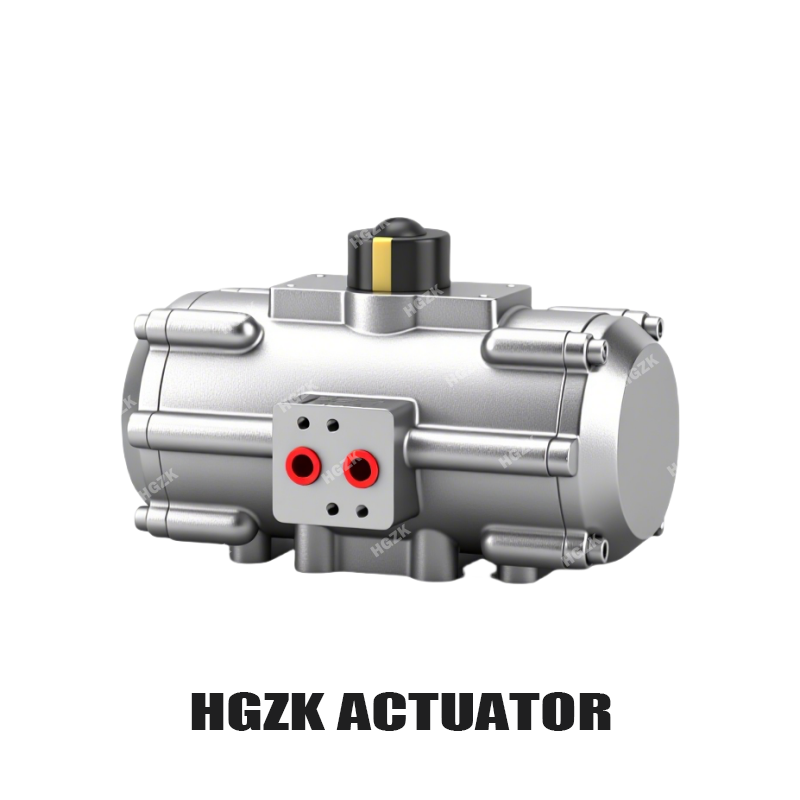
Pneumatic actuators are commonly used in the HVAC system for efficient and reliable performance. These actuator's control air, water, and steam dampers in heating and cooling systems for efficient comfort with save energy consumption. Operated by compressed air, pneumatic actuators have fast response times and provide precise control, which is perfect for controlling temperature and airflow in buildings. Furthermore, pneumatic actuators are maintenance-friendly and are rated for long-term use in HVAC systems.
Know the types of rotary pneumatic actuators
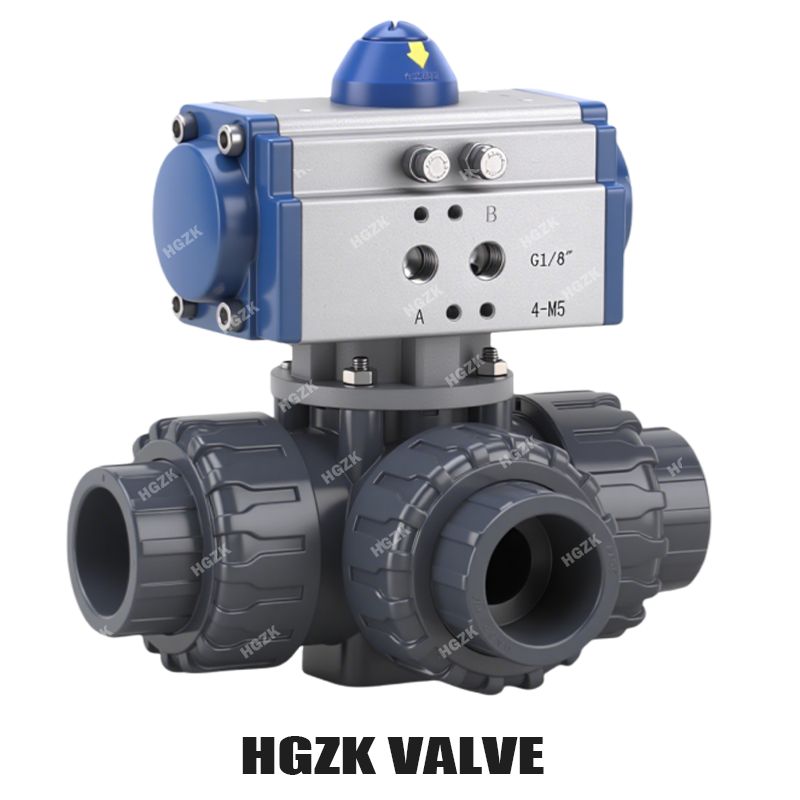
There are also a variety of types of rotary pneumatic actuators, rack-and-pinion, vane, scotch-yoke and helical-spline for example. The two types are designed differently and have different operating features that which make them useful for different applications. For instance, rack-and-pinion actuators are very compact and light, making them appropriate for tight installation spaces scotch-yoke actuators are also characterized by high torque output and heavy duty applications. By reading up on differences, you’ll know which one to get for your particular HVAC or industrial automation application.
How picking out the right pneumatic actuators to order wholesale is crucial
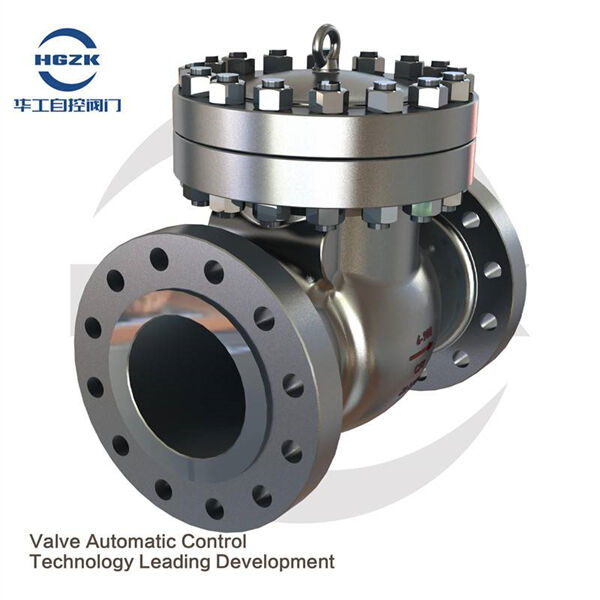
If you are buying Pneumatic actuators in bulk for the purpose of distribution, then high quality selection is very important to guarantee reliability and performance. Another of many advantages is the ability to withstand harsh conditions over a long period of time while maintaining uniform and precise control. This peace of mind realizing that the actuators will last and perform as necessary in your projects translates to years of proper service and decreased maintenance or downtime for you. Selecting premium pneumatic actuators for sale in bulk is vital to the success and durability of your HVAC or industrial automation systems.
Common concerns when choosing pneumatic actuators for your application
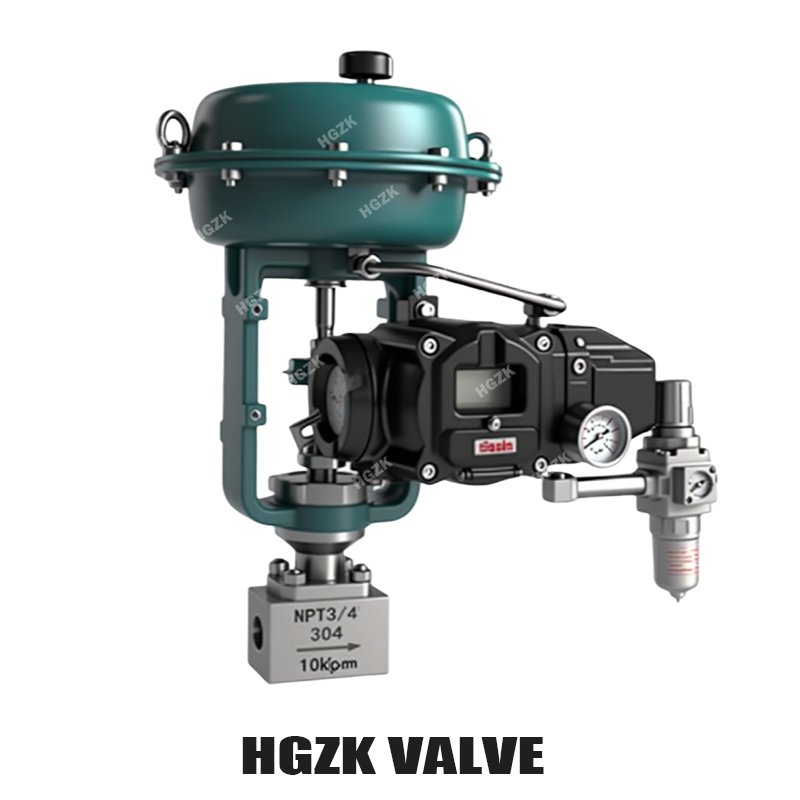
Pneumatic actuators advice Choosing pneumatic actuators for your project comes with a number of generic considerations to make sure the system performs as it was meant to. Another factor to consider is the control environment such as high & low temperature, high & low pressure and humidity when selecting actuators that match the operating conditions. Finally, the demanded torque, speed and control precision value will assist to select actuators type and proper size in dependence on this application. It is also important to consider compatibility with your existing components and control systems, so that you will not have any integration problems. By calling out these common issues in the selection stages, your pneumatic actuator systems can be operated efficiently and with confidence.
Making manufacturing operations more efficient with pneumatic actuators
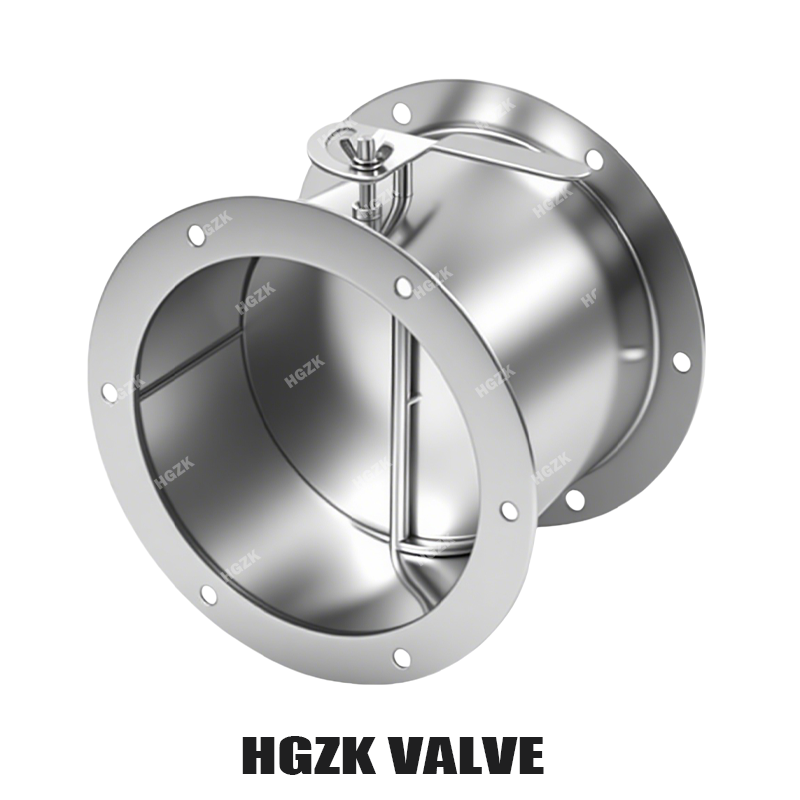
Pneumatic actuators are indispensable for efficient processes in production. Pneumatic actuators can accelerate the production rate, minimize energy usage and improve product quality via numerous automated functions. For instance, on assembly lines pneumatic actuators can be employed to direct robot arms so that they can accurately and consistently assemble parts. In packaging machinery, pneumatic actuators are used to optimize the packaging process leading to higher throughputs and lower defect rates. By using pneumatic actuators in production, companies can attain increased productivity, reduced costs and greater efficiency.
Advice Support. team experts will provide guidance support. Whether need assistance in pneumatic actuator types right product technical specifications, problem-solving, we're here assist at any point. Fast Response and ResolutionWe offer prompt and efficient assistance when issues arise. This includes prompt response to questions and concerns from customers about specifications of the product and technical support.
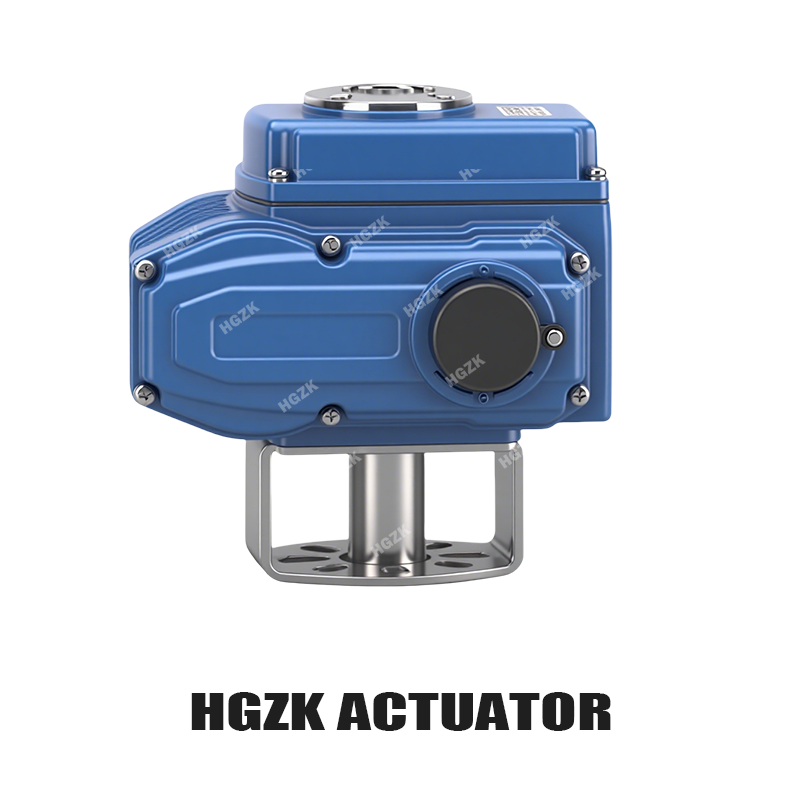
committed providing customers system-matching and configuration solutions that maximize the benefits of technology, using advanced technology as reference. From conception to production packaging process and tailor meet the demands of our customers. We also offer pneumatic actuator types management that is a one-stop, allowing continuously release high-quality products.have wide range actuators and materials. They are available in a range of materials such as PVC, PP, PVDF, cast iron, stainless steel well as cast steel and brass. Our valves can be operated manually or with pneumatic, electric, or hydraulic actuators.
Professional Manufacturer. are a specialist in AUTO Control Valves we utilize knowledge, experience and latest technologies offer top-quality products at low prices. Variety of Products. provide a broad range of actuators and valves designed meet demands various industries applications and meeting various requirements of our clients. Customized Solutions. With our strong capabilities for customization, we offer a variety solutions, OEM/ODM options satisfy your unique branding and engineering requirements and ensure pneumatic actuator types integration into your pipelines. Technical Support. Our team of experts has vast technical know-how and provides professional assistance and support in order to ensure our customers know how to utilize our products correctly.
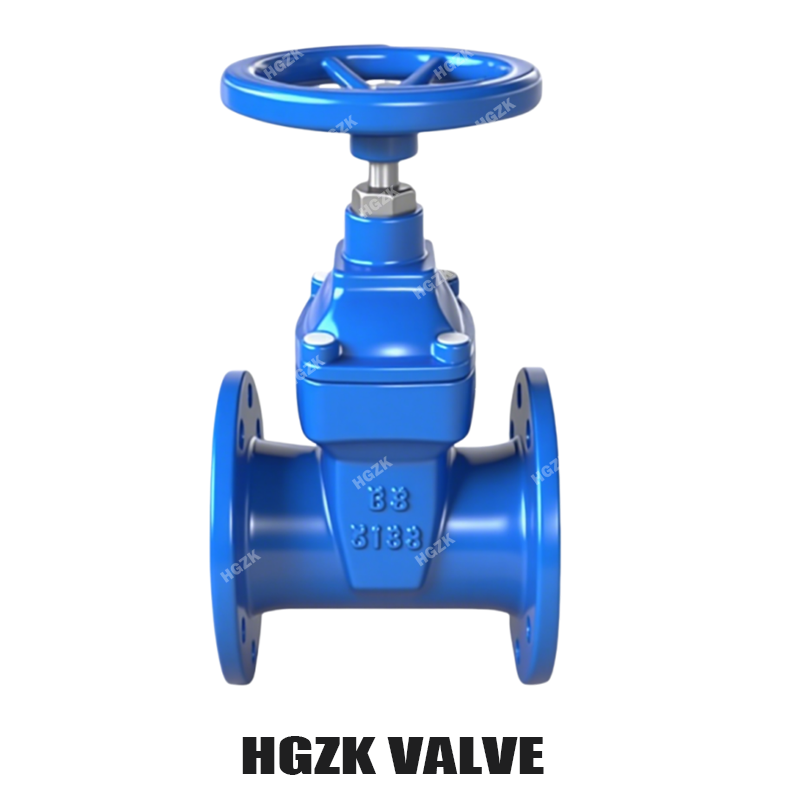
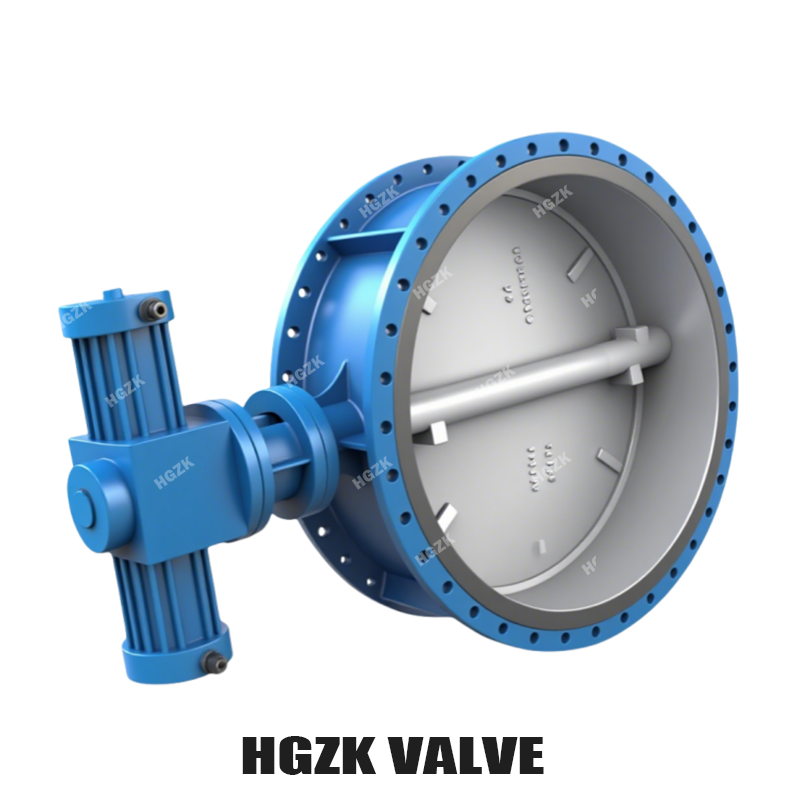
We welcome you HGZK VALVE, a leading manufacturer Fluid Control solution. We a renowned producer distributor valves such as pneumatic and electric valves. offer our products globally to meet demands various industries. products of the company are designed by using a cutting-edge CAD 3D design system, which only has a stunning appearance, but also a reliable quality. The equipment uses a number of precision machining centers to pneumatic actuator types precision the parts and provide huge production capacities. Widely used in various types of regulating valves, ball valves, butterfly valves gate valves, slurry valves globe valves, plug valves and many more valves.