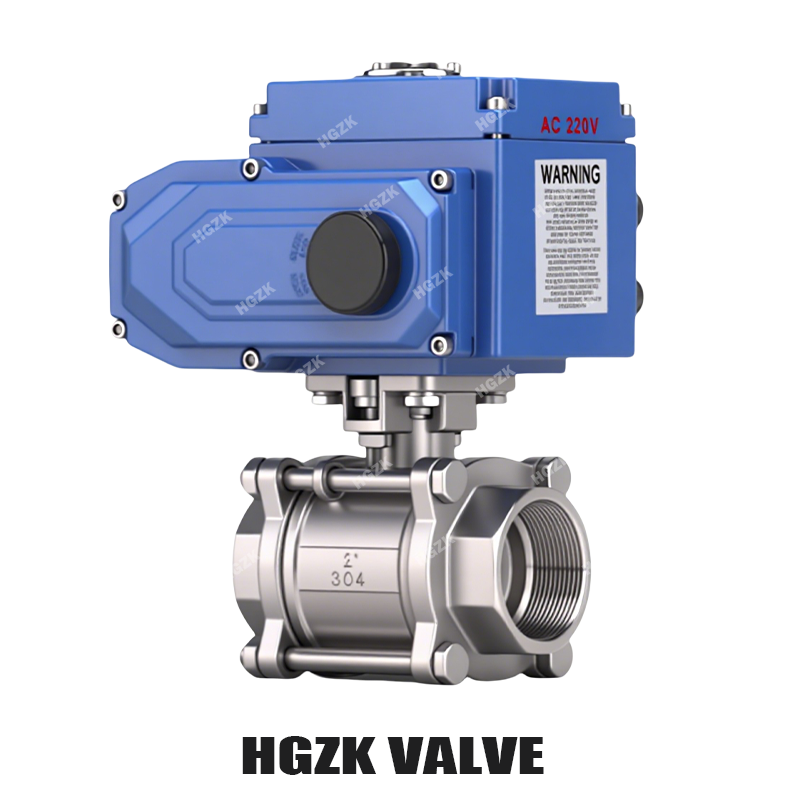
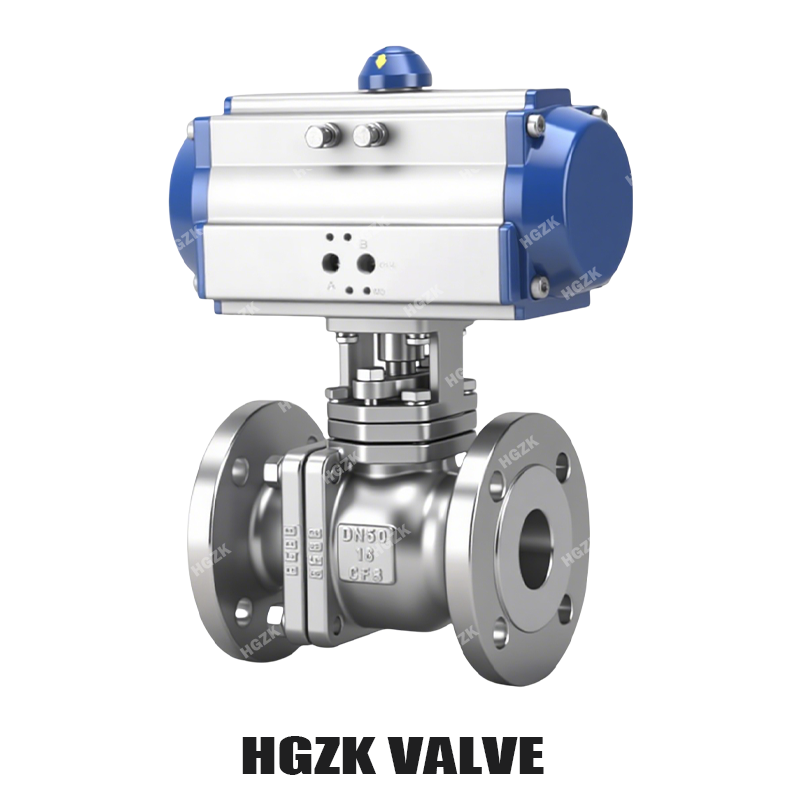
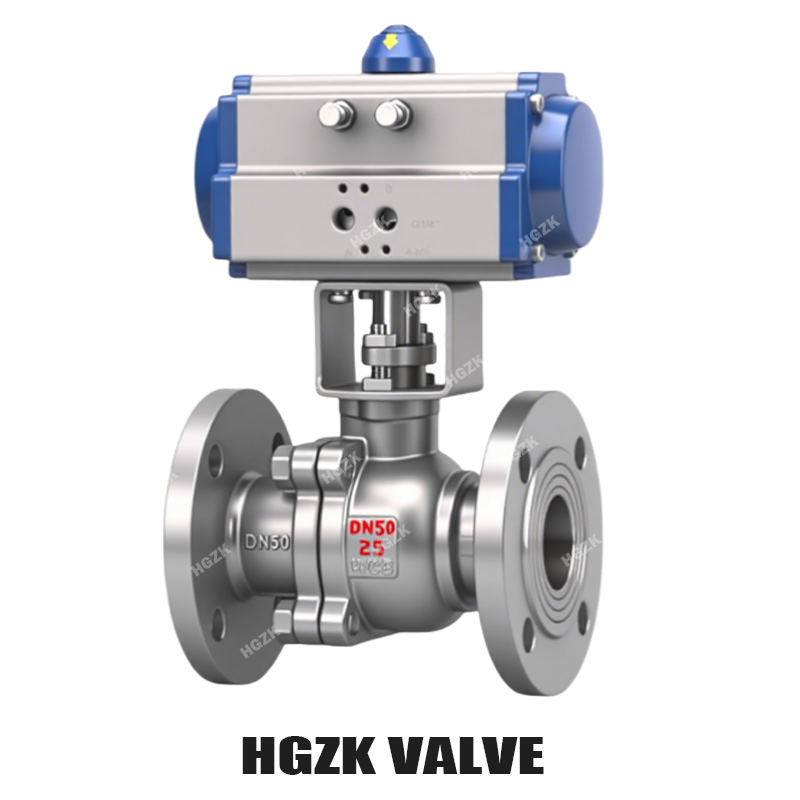
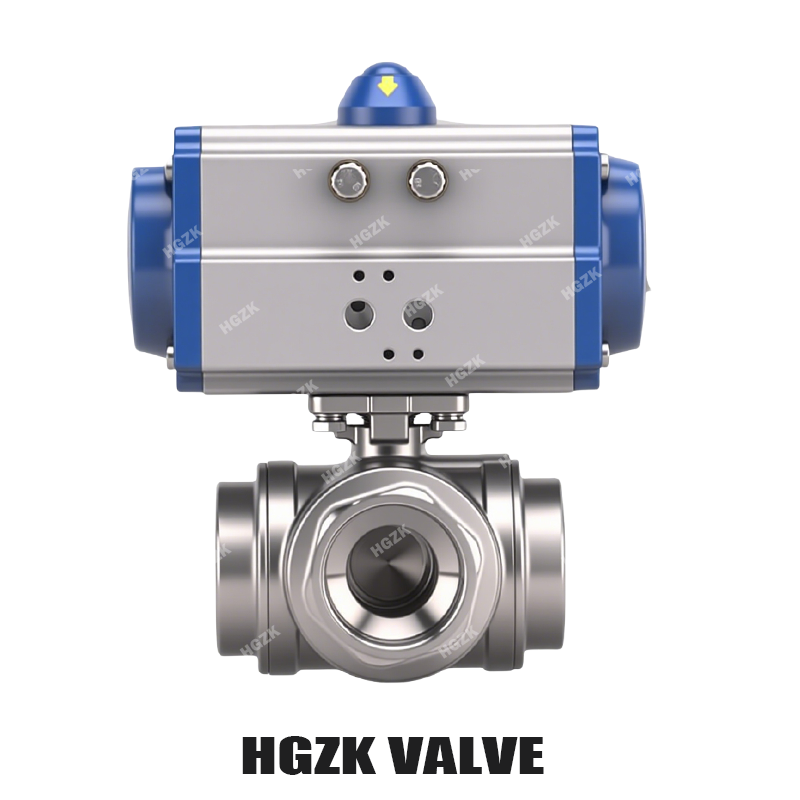
 ×
×
Pros of Pneumatic Actuated Ball Valve
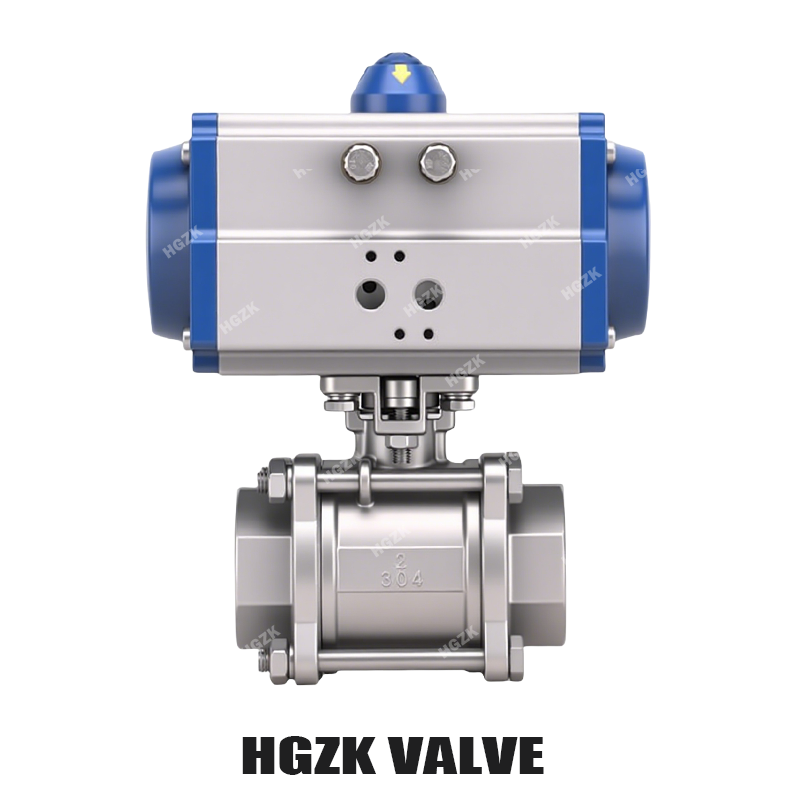
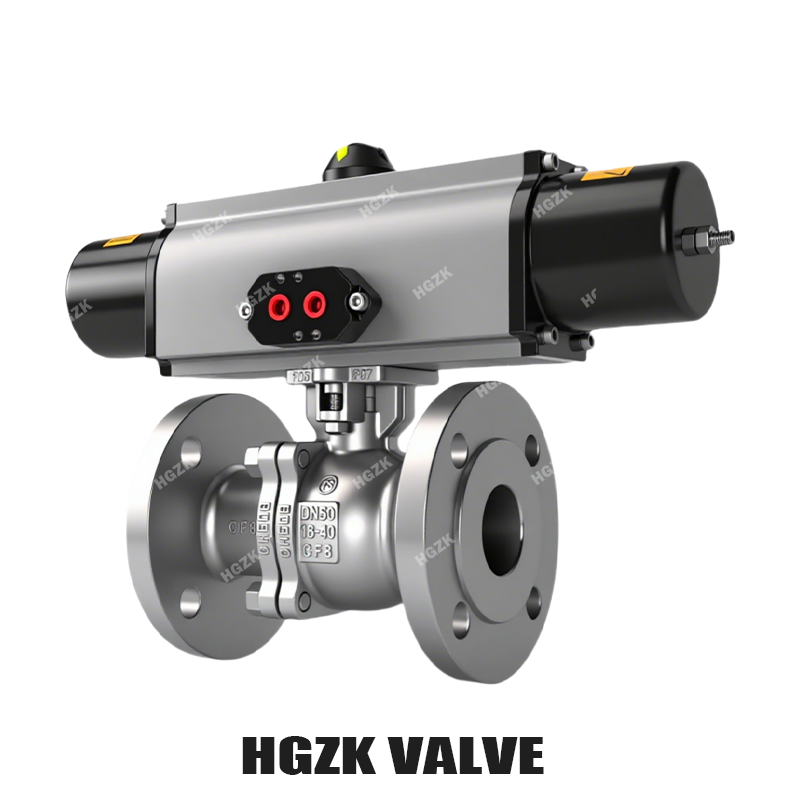
There are a few proceed of pneumatic actuated ball valves in the industrial area. The speed and reliability, that is one of the prime advantages. These valves are capable of opening and closing quickly, resulting in smooth and efficient control of the flow of liquids or gases. What’s more, Pneumatic ball control valves are durable and offer a long life of service. They are rated for very high pressure and temperature, thus are cut out for a plethora of applications in aggressive environments. Also, they are easy to automate and to incorporate into currently available systems, making them a flexible and low-cost alternative for businesses in search of optimizing their process.
Pneumatic Actuated Ball Valve: Buying Guide A ball valve is a crucial addition when setting up fluid handling machines and equipment.
When choosing the pneumatic actuated ball valve for your application, there are a few things to be taken into account. The first step is to calculate the size and s working pressure needed for your application. This ensures the valve can accommodate the flow rate of liquids or gases through your system. You should also take note of the valve material, because corrosion resistance and wear are correlated with different metals and alloys. This will also require you to determine the type of actuator and controls such as solenoid valves or limit switches that can be utilized with your already functioning system. So long as you carefully consider these things, you will be able to select the perfect pneumatic operated ball valve for your application.
Pneumatic Operated Ball Valve Troubleshooting
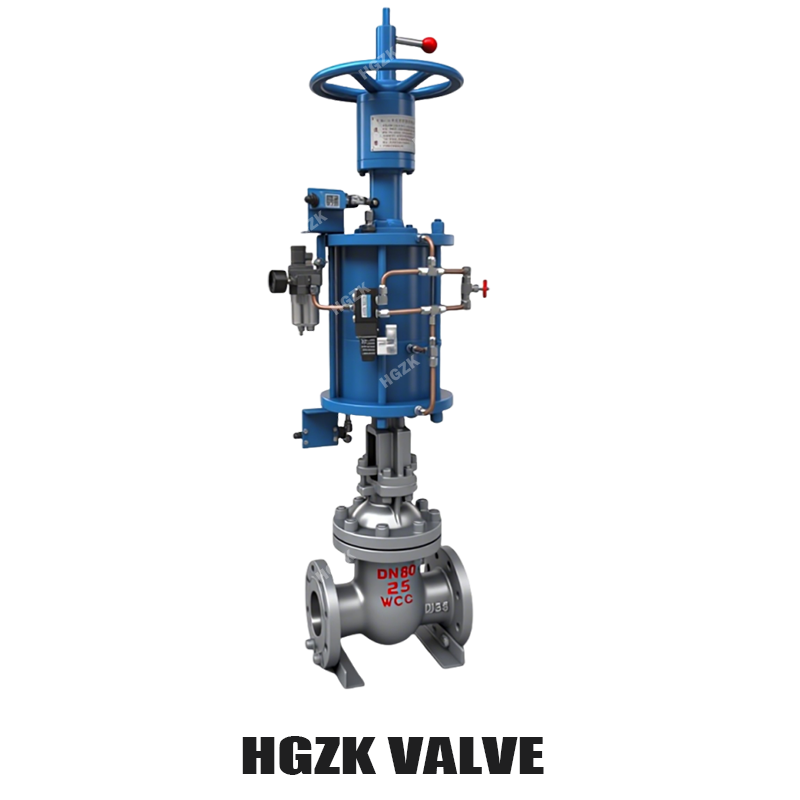
Although pneumatic ball valves have exhibits advantages, but there are some problems that can affect the working condition of them. One common issue is air leaking and this may happen because of tear and damage on seals or O-rings in the valve. This causes operational inefficiency and loss of pressure control. Also, if an obstruction is introduced to the valve assembly such as foreign objects or debris lodged in it, the value can stick open or closed. How to prevent these problems and keep pneumatic ball valves working smoothly in industrial applications with regular maintenance and inspection. Pneumatic Control Valve can also be used to regulate the flow of fluids efficiently.
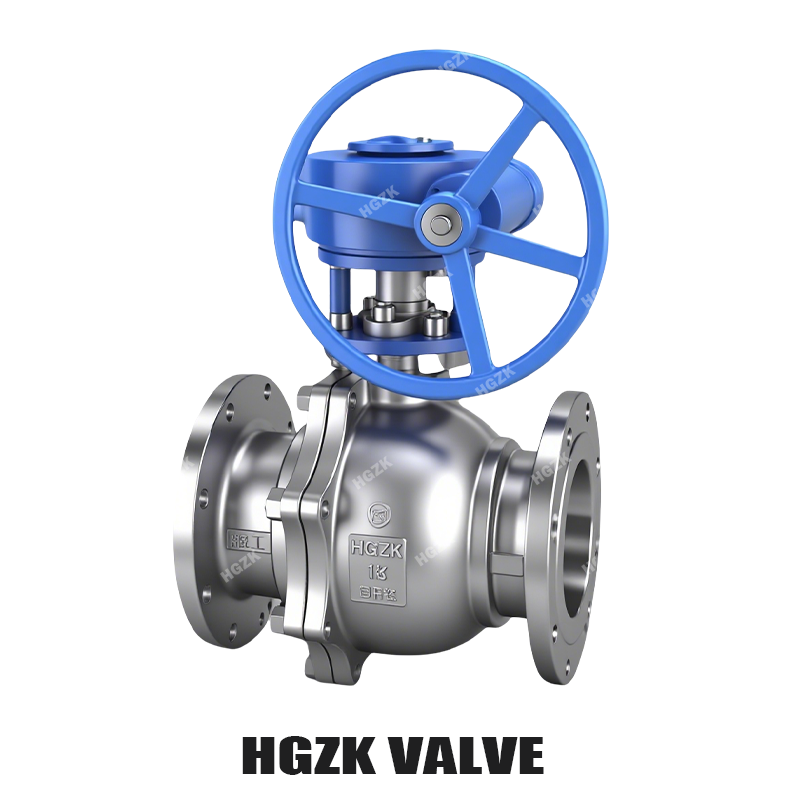
Pneumatic Operated Ball Valve Features
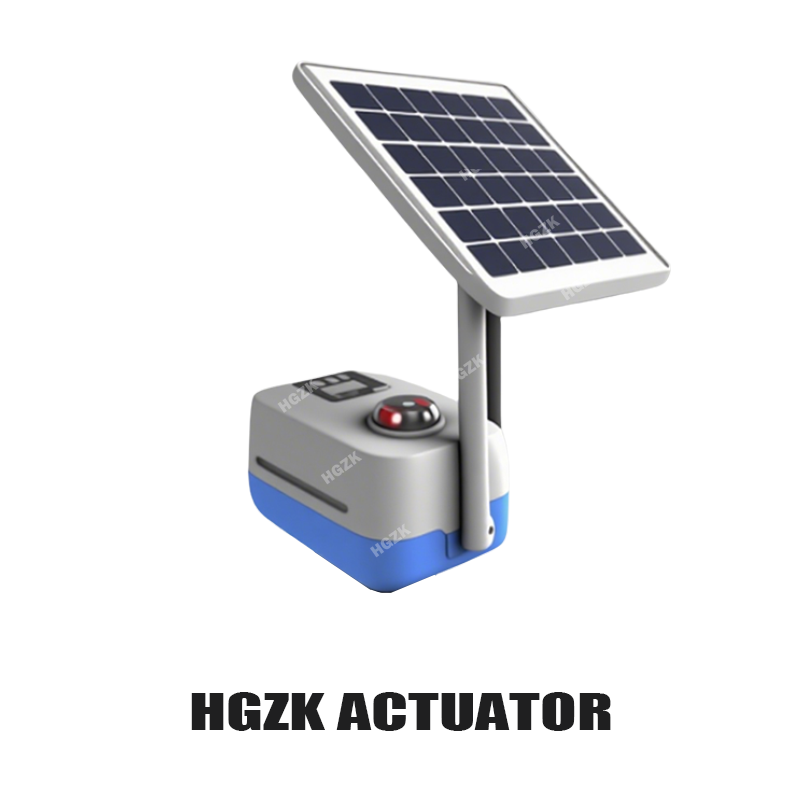
Pneumatic Actuated Ball Valves have many different features that allow for their wide range of operations and ease of use. The actuation part that translates pneumatic energy into mechanical action to open and close the valve is one of these aspects. Actuators of a pneumatic, electric or hydraulic type allow for options in automation. Pneumatic ball valves are also available with position indicators, limit switches and manual overrides for use in manual mode when power is lost. Moreover, these valves can be found in different sizes, materials, and design options to meet diverse flow control needs which also so makes them a flexible answer within fluid handling systems.
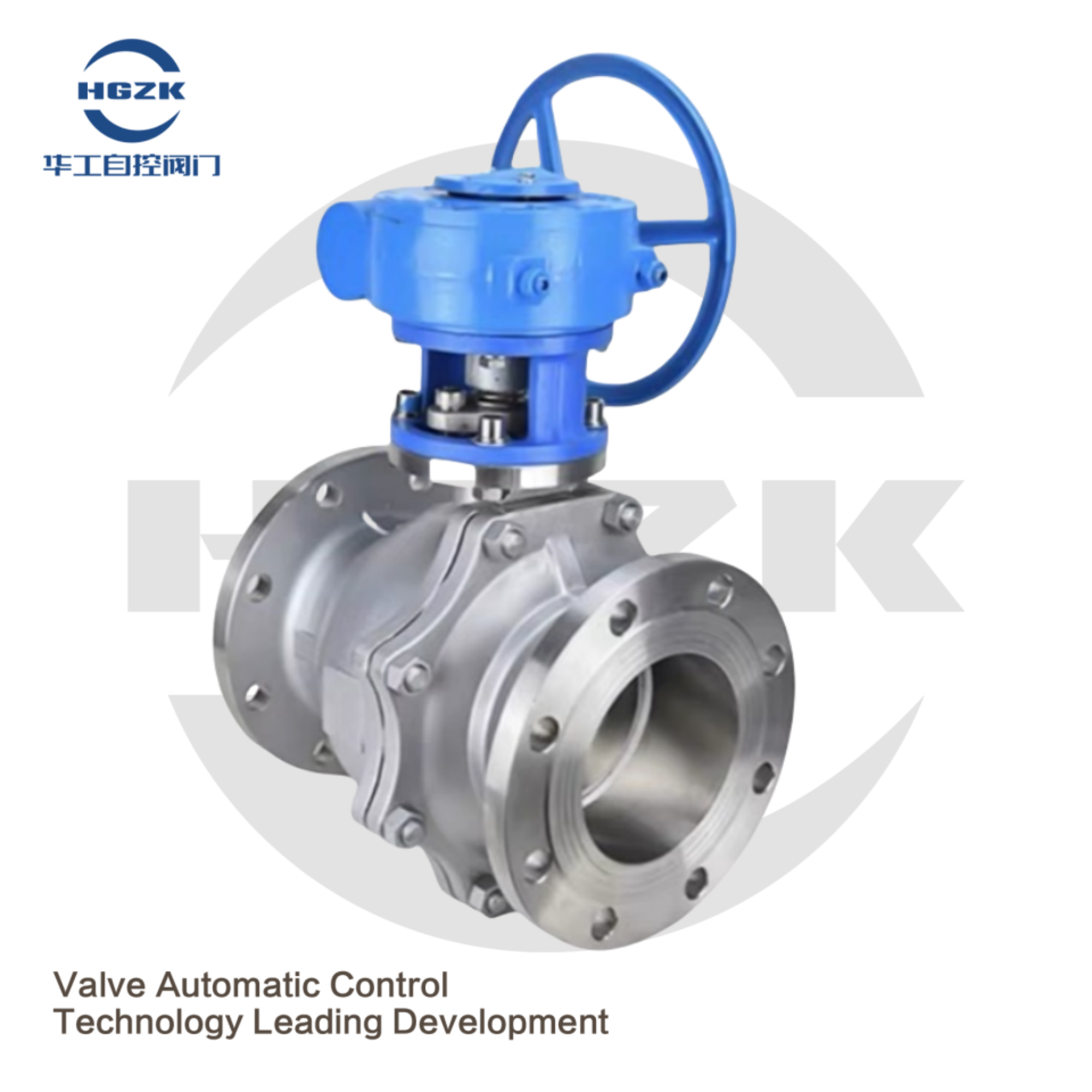
Inquiries With Regard To Pneumatic Actuated Ball Valve
What is the significance of pneumatic actuated ball valve in industrial sectors?
Advice Support. team experts will provide guidance support. Whether need assistance in pneumatic operated ball valve right product technical specifications, problem-solving, we're here assist at any point. Fast Response and ResolutionWe offer prompt and efficient assistance when issues arise. This includes prompt response to questions and concerns from customers about specifications of the product and technical support.
Professional Manufacturer. As experts in AUTO-Control Valves, we leverage vast experience, knowledge, advanced technology provides high-quality products at affordable prices. Diverse products. provide variety actuators and valves that fulfill the various requirements of our customers. Customized Solutions. provide variety OEM/ODM options to meet your specific specifications branding engineering. will ensure the seamless integration of products into pipelines. pneumatic operated ball valve awash with technical know-how, and provides professional assistance and support ensure that customers able to understand and make use of our products properly.
Welcome HGZK VALVE, a leading innovator Fluid Control solution. We a top producer distributor valves comprising pneumatic and electric valves. With an international reach, we supply products all over the world to meet requirements of modern-day industries. The products the company are pneumatic operated ball valve using a modern CAD 3D design system, which not only has a attractive appearance but also has a high quality. machine utilizes a variety of precision machining centers that ensure the accuracy of the parts and provide huge capacity for production. It is used to regulate valves of every kind including ball valves as well as butterfly valves. Also used to make gate valves.
company committed to providing users system matching selection configuration price performance ratio solutions, using high-tech as guideline and fully exploiting the technological advantages. From conception to production packaging the products create modify meet customer needs. also offer scientific management service that is one-stop which allows us constantly to create high-quality items.We have a variety of pneumatic operated ball valve and actuators. valves are made of PVC, PP PVDF cast iron, stainless brass, cast steel and cast steel. Our valves can be operated manually or using electric, pneumatic, or hydraulic actuators.
How to choose a pneumatic actuated ball valve for my operating needs?
What're some typical pneumatic ball valve problems, and how to fix them? Electric Temperature Control Valve can be a solution to some common issues.
What are the main points to consider when selecting a pneumatic ball valve for my plant?
What should I do to maintain and check pneumatic ball valves to save money?